
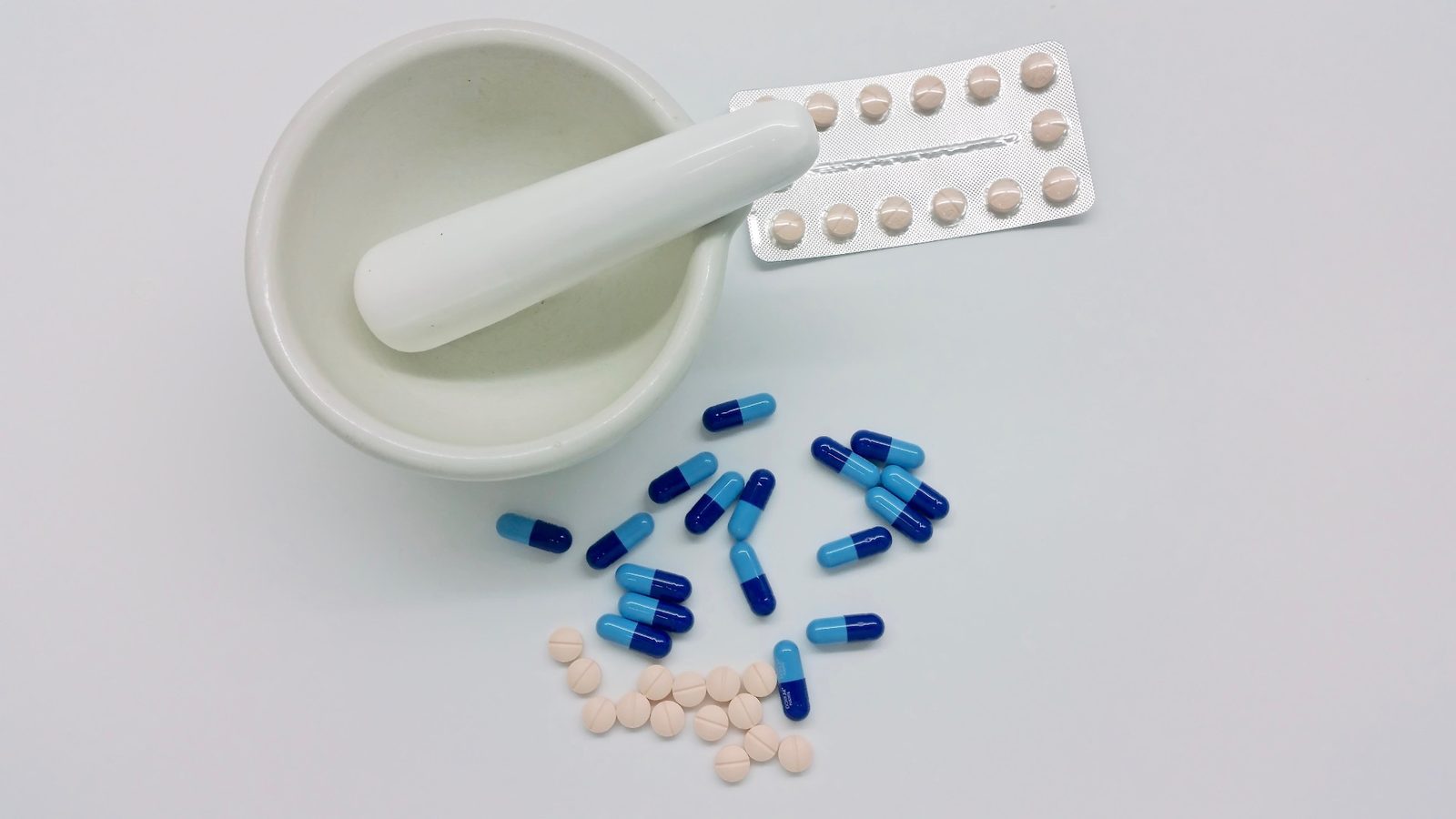
Compounding is not an alternative to medicine. It is ordinary medicine, made to fit one person when the manufactured version does not.
“Compounded” sounds exotic. It is not. It is what pharmacy was before mass manufacturing — a pharmacist making a preparation to a prescriber’s order, for one named patient.
When it is genuinely useful
- The dose does not exist. Your prescriber wants 7.5 mg and the manufacturer makes 5 and 10. Splitting tablets is approximate; compounding is not.
- You cannot swallow it. A capsule becomes a liquid, a troche that dissolves in the mouth, or a cream absorbed through the skin. This matters enormously for children, for older patients, and after a stroke.
- You react to an ingredient — a dye, a preservative, lactose, gluten. The active drug is fine; the filler is not. We leave it out.
- It tastes impossible. A child who spits out a medicine is not being treated. Flavoring is a small thing that decides whether a course gets finished.
- It has been discontinued. A manufacturer stops making something that worked for you. Often we can still make it.
- Your pet needs it. Animals refuse tablets and need doses no human product provides.
What you should know before you ask
Three things, stated plainly, because reputable compounding pharmacies say them and the rest do not.
Compounded preparations are not FDA-approved. The FDA approves manufactured medicines after reviewing trial data. A compounded preparation is made for one patient, so it goes through no such review — the agency does not assess it for safety, effectiveness or quality. That is a real difference, and worth understanding rather than glossing over.
It is not automatically better. If a manufactured product fits you, take the manufactured product. It has evidence behind it that a compounded version does not. Compounding is for when the manufactured option does not fit — not a general upgrade.
It requires a prescription. Every compounded preparation is made to a prescriber’s order for a named patient. Nobody can buy one off a website, including ours.
What to ask a compounding pharmacy
If you are choosing where to have something compounded — here or anywhere else — these are fair questions:
- Do you follow USP standards? USP 795 covers non-sterile preparations, 797 sterile, 800 hazardous drugs. The answer should be immediate.
- Where do your ingredients come from? You want FDA-registered suppliers and a certificate of analysis.
- Can I speak to the pharmacist who will make it? At a real compounding pharmacy, yes.
- What will it cost, and will insurance cover it? Coverage for compounded preparations is patchy. Get the number before you commit.
How to raise it
Mention it to your prescriber. They decide what to prescribe, but many do not think of compounding simply because it is not front of mind. “Is there a version of this I could actually take?” is usually enough to start the conversation.
If you want to understand the options first, talk to one of our pharmacists — no charge, no obligation, and we will tell you if we think compounding is not the answer.
More about what we compound, or browse the drug catalog.